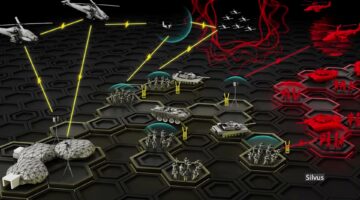
Finding the adversary’s hidden signals is the Army’s next electromagnetic warfare challenge
RF sensing at greater distance gives operators more decision space to act.

RF sensing at greater distance gives operators more decision space to act.


A Viper modernization that includes EW, radar, EO/IR, and navigation.

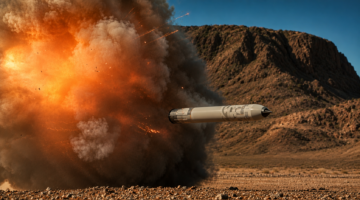
The goal of such weaponization is to tie warfighter needs to the RDT&E cycle.

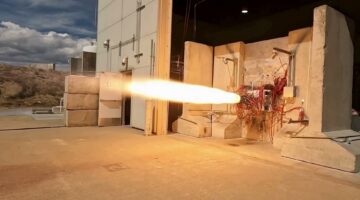
Demand signals from leadership are shaping investments in design, engineering and manufacturing.

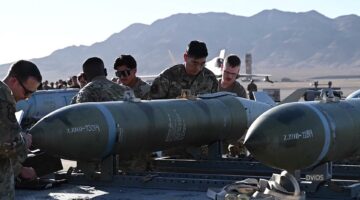
Threats have changed the range, seeking and attack capabilities necessary to ensure effectiveness.


Manufacturing scale, global sustainment, and next-gen tech are becoming inseparable.

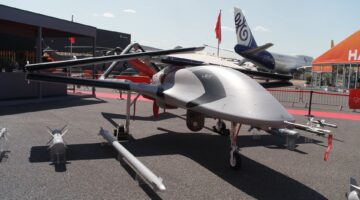
Capabilities, cost and autonomy are top of mind concerns for developing effective unmanned aircraft.


Decentralized Embodied Collaborative intelligence enables better reconnaissance, logistics and combat capabilities.


Artificial intelligence accelerates the speed, scale, and variety of cyber threats – especially at the seams.


From service-life upgrades to safety enhancements, readiness depends on sustaining the vehicles now carrying the mission.


Red Cat, well known for its aerial drones, has launched Blue Ops, a new company to mass produce USVs.

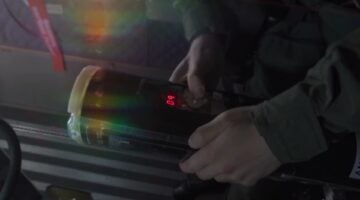
Next-gen sonobuoys for anti-submarine warfare are specifically designed to detect quieter Russian and Chinese subs.

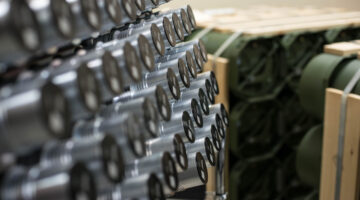
APKWS® laser‑guidance kit provides reliable precision‑guided munitions across missions and platforms, delivered quickly to meet evolving operational demands.


SNC’s Freedom trainer is engineered for the hard landings that come with naval missions.


The kingdom's aggressive growth strategy will rely in part on outside investment.
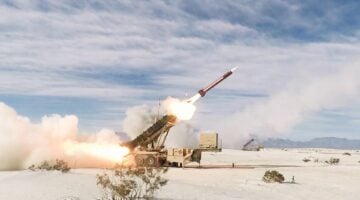
R&D, engineering and manufacturing processes must all adapt to keep pace with the dynamic of technology.

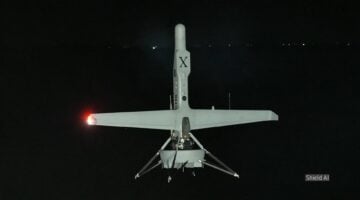
Continuation of UAS operations in contested and GPS-denied environments is key.